
01
$50 vs $500 Setup
Audio comparisons that answer the real question: can your listeners actually tell the difference? The answer may recalibrate everything you think you know about gear.
Read breakdownEquipment paralysis ends here. Practical technical knowledge, no gear worship, no production services sold. Just what works and what doesn't.
Explore the guides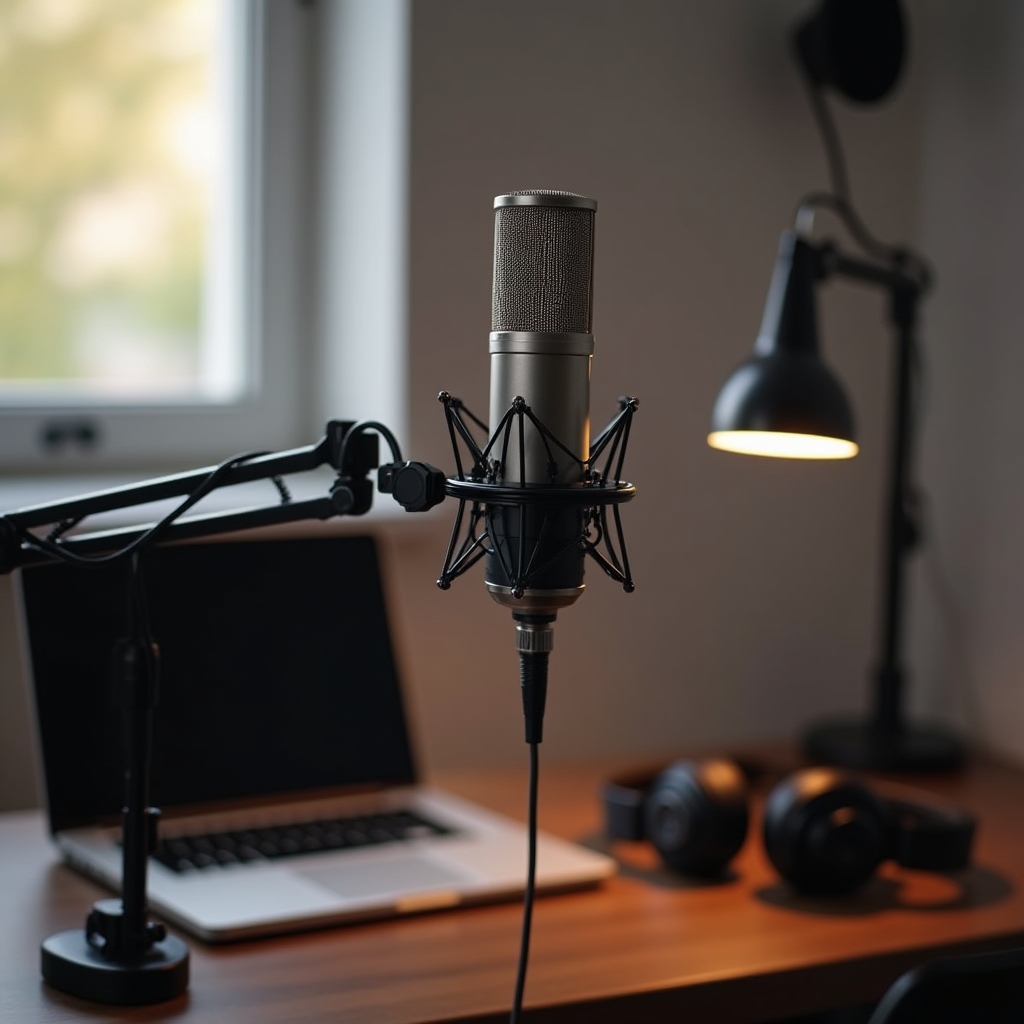
Audio comparisons that answer the real question: can your listeners actually tell the difference? The answer may recalibrate everything you think you know about gear.
Read breakdownRemote interviews don't have to sound like conference calls. The software configurations and recording habits that produce clean, usable audio from anywhere.
Read breakdownA structured editing workflow using free software that gets a 45-minute episode production-ready without spending a day on it. Repeatable. Practical.
Read breakdownThe submission process for both major directories, explained without assuming prior knowledge. What each platform requires and where first-timers typically get stuck.
Read breakdownWhich hosting platforms are genuinely free, what the limits are, and when paying actually makes sense. No affiliate links. No sponsored recommendations.
Read breakdown
Most podcast production content exists to sell you something. Gear reviews with affiliate links. Courses bundled with coaching. Hosting comparisons that happen to favor whoever paid for placement.
This site has none of that. The guides here are written for professionals in other fields who understand that audio quality matters but don't want to become audio engineers. Attorneys, consultants, researchers, educators. People who need working knowledge, not hobbyist depth.
About the author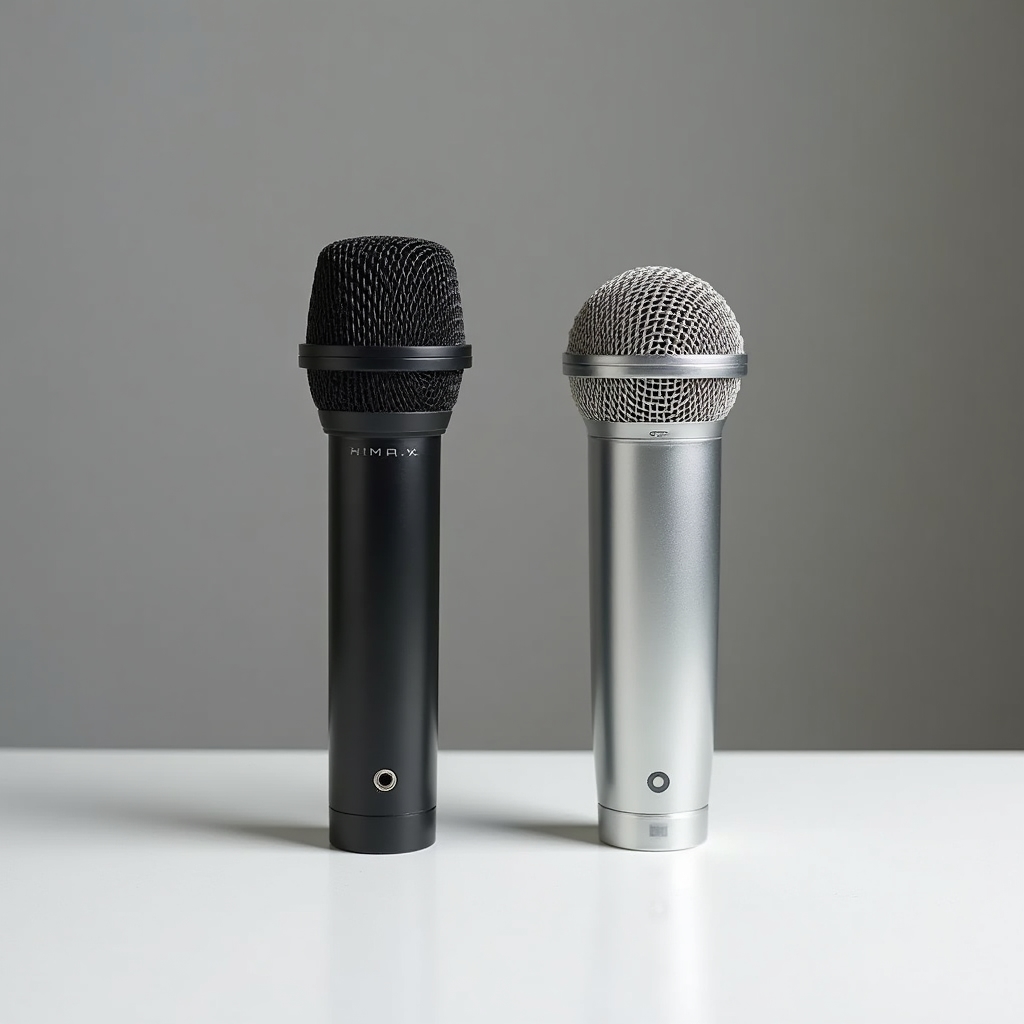
A specific USB microphone under $50 produces audio that passes casual listening tests against setups costing ten times more. Here's what it is, what its limits are, and when those limits actually matter.
Read guide
The two-room problem. When your guest records in a kitchen with hard surfaces, no amount of post-processing fully saves it. Prevention is the only reliable solution. This guide covers what to tell guests before they hit record.
Read guide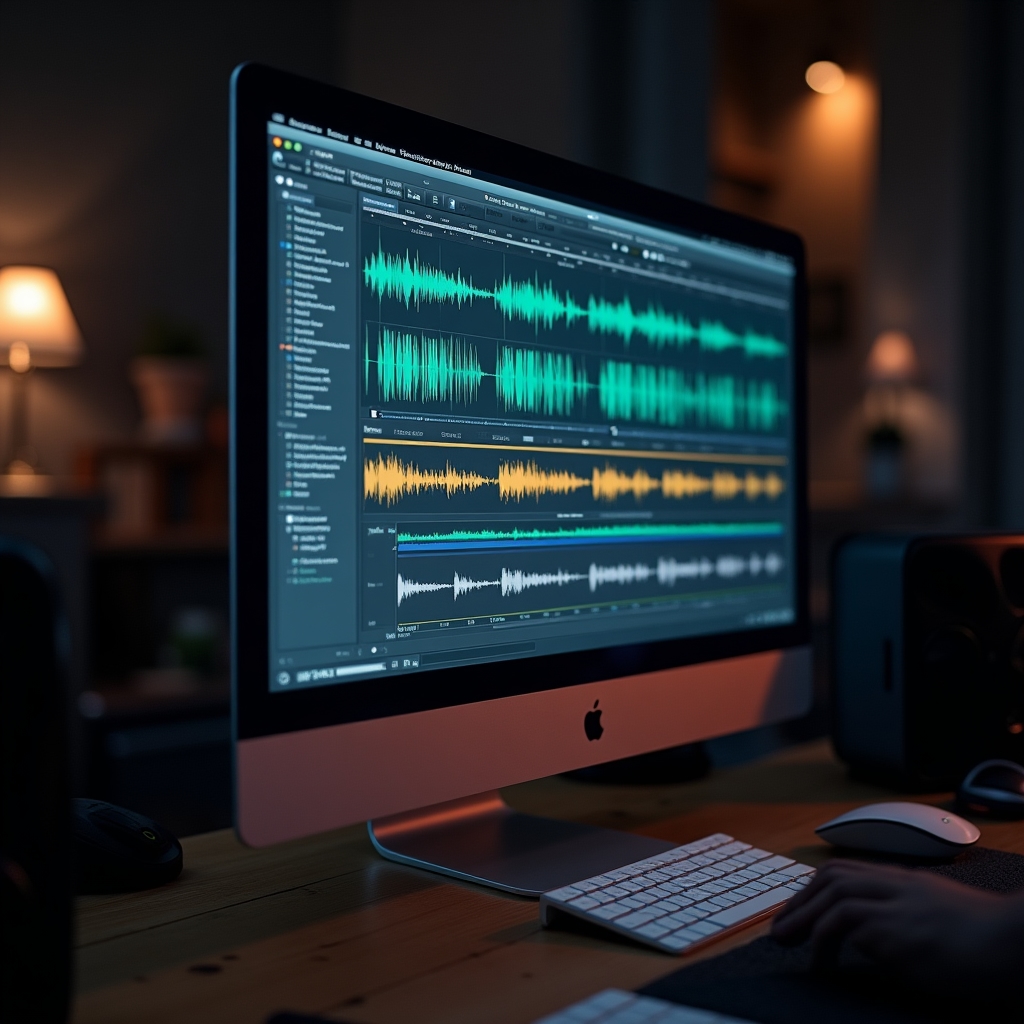
Free, cross-platform, and genuinely capable. The issue isn't the software — it's the lack of a repeatable process. This workflow covers noise reduction, level balancing, and export settings in sequence.
Read guide
The review process isn't instant and it isn't always clear. What the approval timeline looks like, what causes rejection, and how to structure your RSS feed so it validates the first time.
Read guideLocal businesses thinking about podcasting as a marketing channel face different questions than solo creators. Audience size expectations, episode frequency, equipment sharing across a team. The guides in this section address those particular concerns.
Local business guides
Not every technical specification deserves attention. These four do.
44.1kHz is the standard for podcast audio. Recording at 48kHz and exporting at 44.1kHz is fine. Recording at 96kHz for a spoken-word podcast creates large files with no audible benefit.
128kbps mono MP3 is the working standard. Stereo at 128kbps doesn't improve a solo voice podcast. The file size doubles. Listeners don't notice a difference.
Spotify and Apple apply their own normalization. Targeting -16 LUFS integrated loudness before upload is the accepted practice. Going louder doesn't survive the platform's processing.
MP3 works universally. AAC is smaller at equivalent quality but creates minor compatibility edge cases with some older RSS readers. MP3 removes the variable entirely.
Technical questions about podcast production are welcome. No sales calls, no pitches, no production services offered.
Send a message