
Behind the guides
This site exists because technical podcast information is often buried inside communities optimized for gear enthusiasts, not professionals who need to ship an episode.
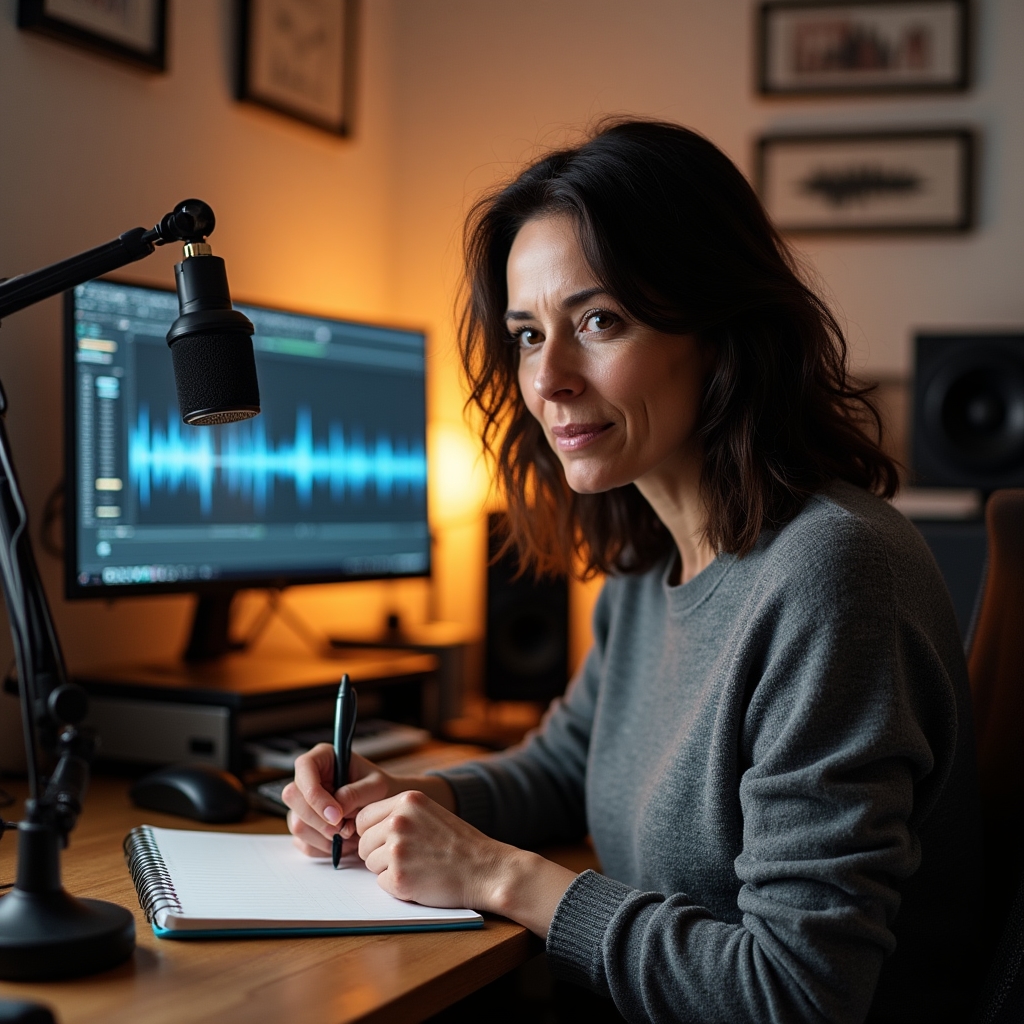
How these guides are written
Test first, write second
No guide gets published based on manufacturer specifications or forum consensus. Each workflow and equipment recommendation is tested in a real recording environment before anything is written. If it doesn't hold up under actual use, it doesn't make it to the page.
No affiliate arrangements
This site doesn't carry affiliate links or sponsored product placements. The equipment mentioned here is mentioned because it performed well in testing, not because a commission is attached. When a recommendation changes, the guide changes.
Updated when things change
Software interfaces change. Hosting platforms adjust their free tier limits. Platform submission processes get revised. Guides are updated when those changes are material enough to affect someone following the instructions. Dates are listed on each guide.
Written for time-constrained readers
Each guide is structured so that a reader can extract the actionable steps without reading every word. The technical context is there for people who want it. The step-by-step instructions stand alone for people who don't.
The gap this fills
Most podcast production content is written for people who enjoy the production side. Gear forums, YouTube channels with hour-long comparison videos, subreddits debating preamp noise floors. That content is valuable to its audience.
That audience is not a corporate attorney who wants to start a legal commentary podcast. It's not a physical therapist who wants to publish patient education content. It's not an urban planner at a Chicago firm who needs to communicate research to a public audience.
Those professionals have a different problem. They understand that equipment decisions matter but have no framework for making them. They get ten minutes into a microphone comparison video and close the tab. The equipment paralysis is real and the solution is simple technical information organized for people who are not audio hobbyists.
That's what this site is. Organized technical information. No courses, no coaching, no production services. Read the guides, set up your equipment, record your podcast.
Technical questions welcome
If something in a guide is unclear, or if you have a specific technical situation that isn't covered, reach out.